Classify and sort polygons with 12 or fewer sides according to attributes, including identifying the number of sides and number of verticesTEKS
Communicate mathematical ideas, reasoning, and their implications using multiple representations, including symbols, diagrams, graphs, and language as appropriateTEKS
Decompose two-dimensional shapes such as cutting out a square from a rectangle, dividing a shape in half, or partitioning a rectangle into identical triangles and identify theTEKS
Determine the length of an object to the nearest marked unit using rulers, yardsticks, meter sticks, or measuring tapesTEKS
Explain that the length of a bar in a bar graph or the number of pictures in a pictograph represents the number of data points for a given categoryTEKS
Number and operations. The student applies mathematical process standards to connect repeated addition and subtraction to multiplication and division situations that involve equal groupings and sharesTEKS
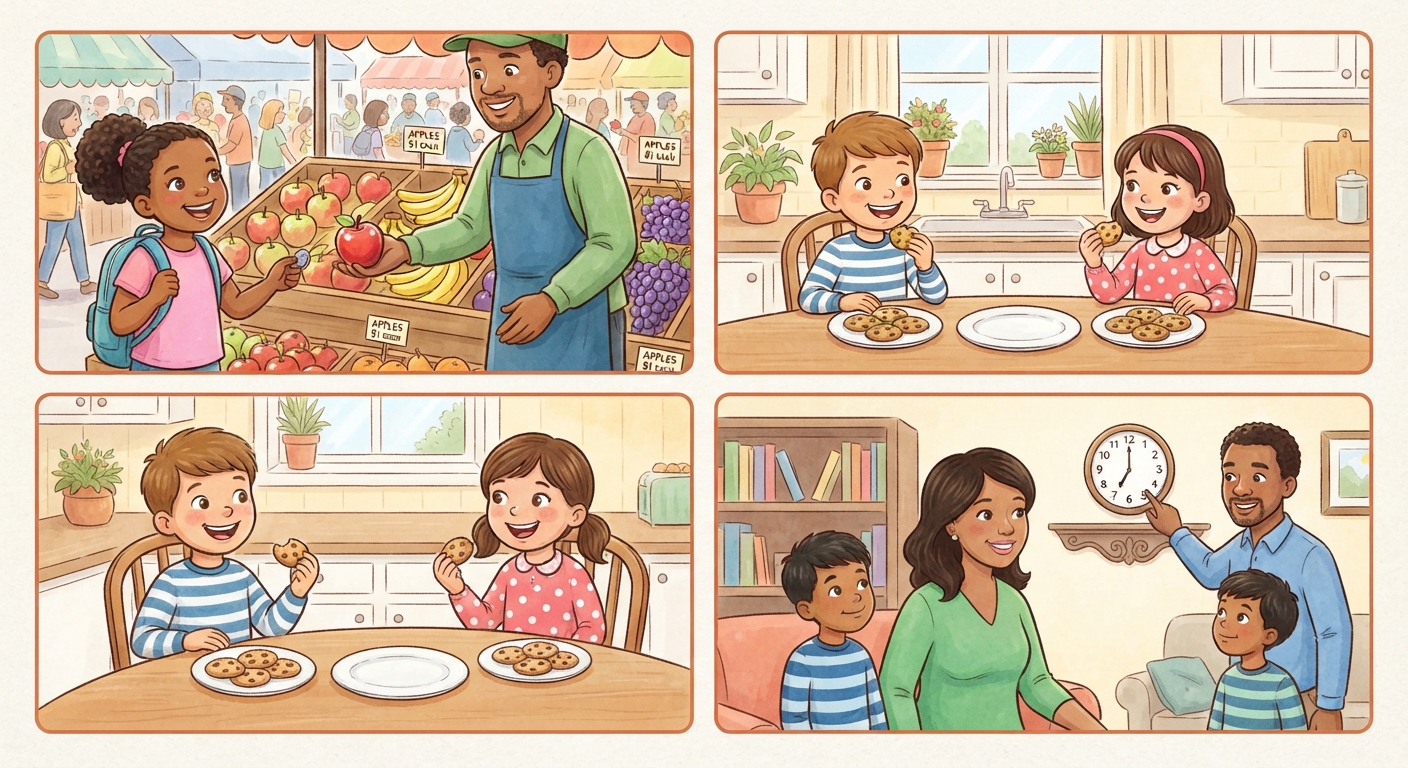
Number and operations. The student applies mathematical process standards to determine the value of coins in order to solve monetary transactionsTEKS
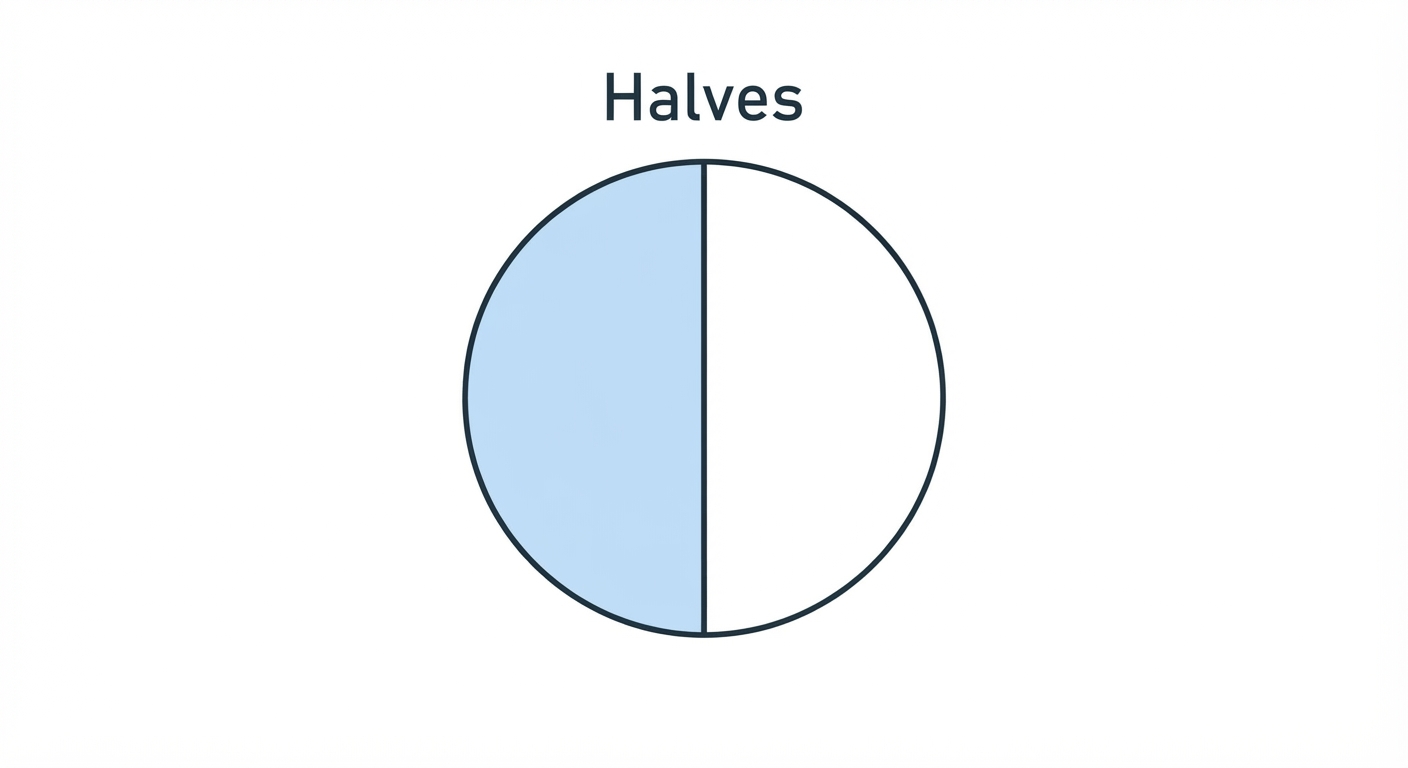
Partition objects into equal parts and name the parts, including halves, fourths, and eighths, using wordsTEKS
Read and write time to the nearest one-minute increment using analog and digital clocks and distinguish between a.m. and p.mTEKS
Write and solve one-step word problems involving addition or subtraction using data represented within pictographs and bar graphs with intervals of oneTEKS